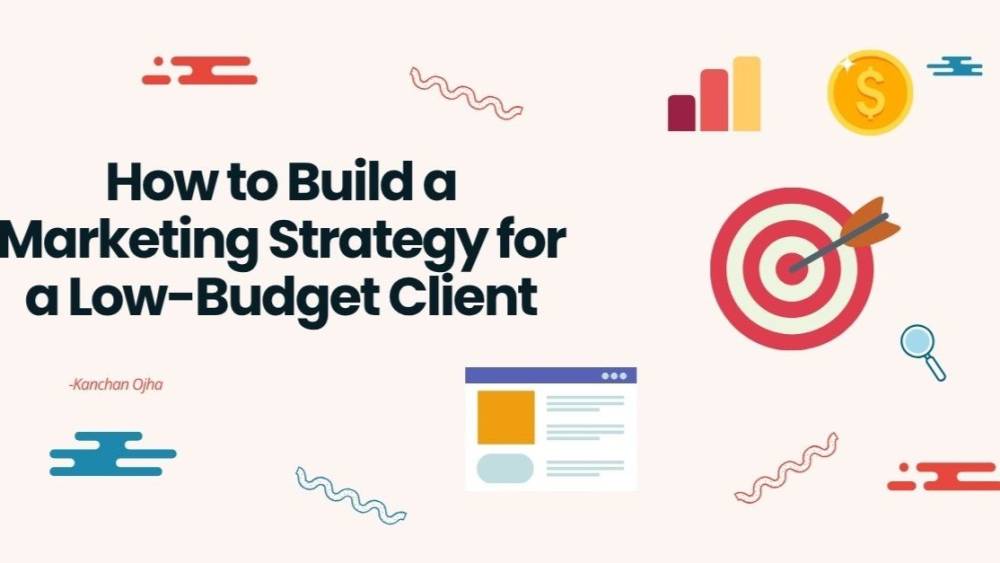
How to Build a Marketing Strategy for a Low-Budget Client

When working with clients who have limited budgets, many marketers feel constrained, even discouraged. But here’s the truth: a low budget doesn’t mean low impact. In fact, it can inspire creativity, laser-sharp focus, and smarter decision-making.

Over the years, I’ve worked with clients of all sizes, and some of the most fulfilling results have come from small-budget campaigns. Let’s explore how to create a winning marketing strategy when resources are tight.


1. Start with Crystal-Clear Goals

Before you touch any platform or tool, sit with your client and ask:

  • What is the single most important outcome?
  • Are we focused on sales, leads, brand visibility, or community building?
  • What does success look like and in how much time?


Narrowing down to one or two measurable objectives keeps the strategy lean and targeted.


2. Know the Audience Better Than Anyone

You can’t afford to waste budget on guesswork. Use free tools like:

  • Google Trends
  • Facebook Audience Insights
  • Reddit and Quora for unfiltered customer pain points
  • ChatGPT for persona generation and content testing


Focus on one niche audience. Speak directly to them.


3. Choose the Right Channel (Not Every Channel)

Low-budget clients don’t need an “everywhere” strategy. They need an “effective somewhere” strategy. Some examples:

  • For local service businesses: Google My Business + Local SEO + WhatsApp marketing
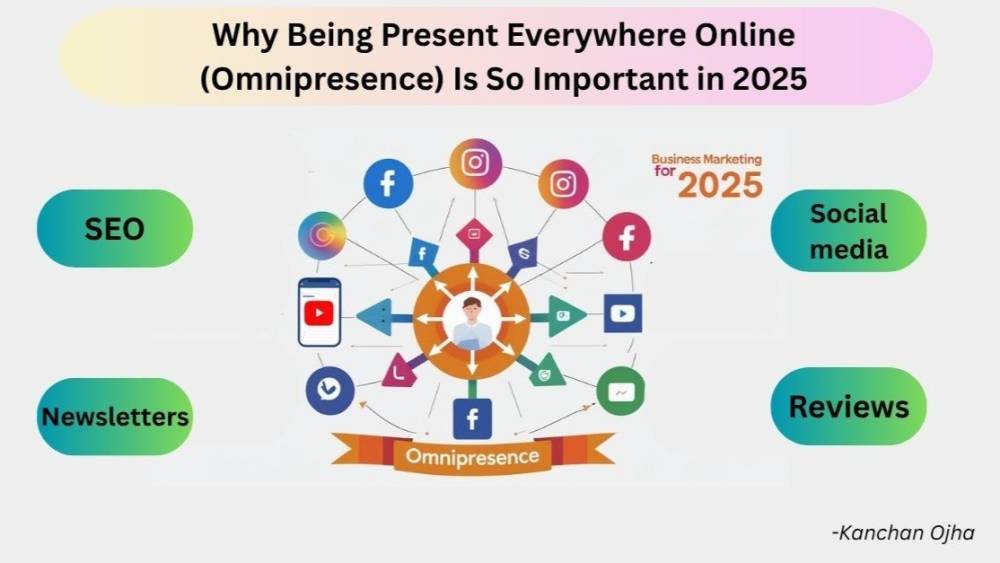
  • For B2B startups: LinkedIn outreach + Educational posts + Email newsletters
  • For e-commerce: Instagram Reels + Influencer gifting + UGC campaigns


Pick 1–2 high-ROI channels and double down.


4. Content Is Currency, Spend It Wisely

You don’t need 100 posts. You need the right posts. Prioritize:

  • Stories that build trust and relatability
  • Educational content that solves real problems
  • Clear CTAs that drive conversion or connection


Use free design tools like Canva. Repurpose every piece of content turn one blog into a carousel, a reel, and an email.


5. Leverage Organic Growth Tactics

Don’t underestimate:

  • Collaborations with complementary small brands
  • Testimonials and word-of-mouth from loyal clients
  • Community engagement (replying to every comment/message)
  • Free PR (guest posts, podcasts, LinkedIn articles)


Sometimes, organic efforts outperform paid ads, especially in tight-knit niches.


6. If You Run Ads, Run Smart

When budget allows a small ad spend, focus on:

  • Retargeting warm audiences (website visitors, engagers)
  • Boosting top-performing organic posts
  • Testing just 1–2 variables at a time


Start small. Scale only what’s already showing promise.


7. Measure What Matters

A low-budget client can’t afford wasted efforts. So track:

  • Website traffic (via Google Analytics)
  • Engagement rates and DMs (on socials)
  • Lead generation or conversion events
  • Customer feedback loops


Monthly reviews and small pivots make a big difference.


Final Thoughts

Marketing with constraints isn’t a limitation it’s a challenge that sparks innovation. With the right focus, tools, and mindset, low-budget marketing can deliver high-impact results.

Remember: It’s not about doing everything. It’s about doing the right things consistently, creatively, and intentionally.


🔁 Have you worked with small-budget clients? What strategies worked best for you? Let’s share ideas drop a comment below!

#MarketingStrategy #SmallBusinessMarketing #BudgetMarketing #DigitalMarketing #ContentStrategy #GrowthOnABudget