Why CRM Is the Backbone of Modern Marketing
-

- August 04, 2025
- 15 min Read

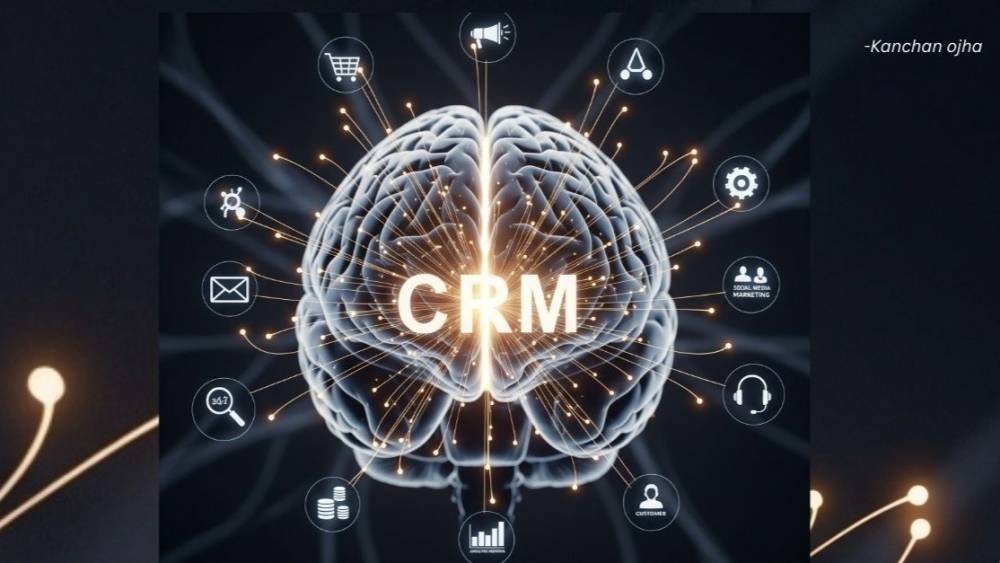
In a world where customers are more informed, more connected, and more empowered than ever before, modern marketing is no longer about broadcasting messages to the masses, it's about building meaningful, personalized relationships at scale.
And the foundation of that relationship-driven marketing? CRM: Customer Relationship Management.
Whether you're a solopreneur running ads from your laptop, or a marketing leader in a global enterprise, CRM is no longer optional. It’s the infrastructure that supports every smart, scalable marketing strategy today.
At its core, a CRM system is designed to manage your company’s interactions with potential and existing customers. But in the realm of modern marketing, CRM has evolved into so much more than just a database of names and contact info.
It’s your single source of truth tracking every customer interaction across touchpoints like:
The goal? To understand your audience deeply and use that data to deliver experiences that move them emotionally and behaviorally.
Here are six reasons why CRM is at the heart of all high-performing marketing teams in 2025:
Modern consumers expect relevance. They want to be seen, understood, and remembered.
CRM systems allow marketers to segment users by demographics, lifecycle stage, past behavior, or even predictive scores helping deliver ultra-personalized messages that drive higher open rates, clicks, and conversions.
Example: A CRM can help you send a birthday discount email, recommend a product they browsed but didn’t buy, or re-engage them after 30 days of inactivity.
Today’s marketing environment is dynamic and your data needs to be too.
A CRM gives you real-time access to performance and behavior metrics so you can identify what’s working, what’s not, and tweak your strategy without wasting budget or time.
This agility can mean the difference between a failed campaign and a record-breaking quarter.
CRM-enabled automation allows you to run campaigns 24/7. While still sounding like a human.
You can:
And because all this is fueled by centralized customer data, the messaging feels tailored, not robotic.
Let’s face it, marketing and sales can sometimes feel like two separate islands.
CRM bridges that gap. It ensures both teams have shared access to the same lead intelligence, engagement history, and contact status, which leads to smoother hand-offs, faster conversions, and less finger-pointing.
A unified CRM ensures marketing isn't just generating leads, it’s generating qualified, sales-ready opportunities.
One of the biggest marketing challenges is proving impact.
With a CRM in place, you can track the entire customer journey, from first touch to closed deal.
This helps you:
No more guessing. No more vanity metrics. Just clear, data-backed insights.
Most marketers focus on acquisition, but growth comes from retention.
A CRM helps you nurture post-purchase relationships through loyalty programs, personalized offers, feedback requests, and regular engagement. The result? More repeat purchases, stronger brand loyalty, and higher lifetime value.
For enterprise marketing teams, Salesforce Marketing Cloud is a standout CRM platform.
It enables:
It’s not just a database, it’s a complete ecosystem for lifecycle marketing.
In 2025, brands that win are the ones that know their customers best.
CRM is the engine that powers this understanding. It helps you turn passive data into active relationships, relationships that fuel real revenue.
So if your marketing feels disjointed, impersonal, or ineffective, it’s time to look under the hood. Because without CRM, you’re not just working harder… You’re flying blind.
Are you using CRM to drive your marketing efforts? What platform are you on and what’s been your biggest learning?

The Future of Digital Marketing: What I’m Preparing For in 2025
August 04, 2025